

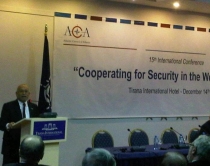


Fjalim i Ambasadorit të SHBA Alexander A. Arvizu në Konferencë e 15-të Ndërkombëtare mbi Sigurinë në Ballkanin Perëndimor
Mirëmëngjes. Do ta filloja duke iu drejtuar Zëvendës Ministrit Starova por meqenëse është këtu jo në cilësinë e atij posti, po them: Arjan, faleminderit për këtë ftesë në 15-vjetorin e Këshillit të Atlantikut të Shqipërisë. Urime! Dua të falenderoj edhe Dr. Schrapel për mbështetjen dhe kontributin e rëndësishëm nga Kondrad Aidenauer gjatë viteve këtu në Shqipëri. Iu uroj mirëseardhje të ngrohtë kolegëve të mi diplomatë këtu dhe pres me kënaqësi të dëgjoj panelin tuaj, por edhe shumë të ftuarve jo vetëm nga Shqipëria; shoh edhe shumë të rinj, është kënaqësi të jem me të gjithë juve sot.
Faleminderit që më lejuat t’i drejtohem kësaj konference mbi “Bashkëpunimin për Sigurinë në Ballkanin Perëndimor”. Kjo konferencë vjen në kohën e duhur, ndërsa vendet në rajon, dhe veçanërisht Shqipëria, përballen me sfidat në përpjekjet e tyre në përshpejtimin e shtigjeve më të mëdha Euro-Atlantike dhe në forcimin e marrëdhënieve me njëri-tjetrin.
Mësime nga e shkuara dhe përqafimi i një të Ardhmeje të Re
Kjo konferencë e duhur vjen vetëm pak javë pasi Shqipëria festoi 100 vjetorin e pavarësisë. Ky rast shumë i rëndësishëm shërbeu si një mundësi për të kthyer vështrimin pas në shekullin e fundit të ndryshimit siç u përjetua nga Shqipëria – dhe për t’u përsiatur mbi drejtimin e saj në të ardhmen.
Në vitin 1912 Shqipëria dhe Ballkani Perëndimor po vuanin tmerret e Luftërave Ballkanike, dhe qenë në greminën e “Luftës së Madhe”, e cila do të vinte në lëvizje modelin për konflikt global në shekullin e 20-të. Paqëndrueshmëria e këtij rajoni ishte një faktor kontribues për zjarret e mëvonshme që përpinë shumë shtetkombe dhe morën miliona jetë të pafajshme. Mësimi që oshëtiu ishte ky: në kërkim të sigurisë botërore, asnjë rajon nuk mund të injorohet.
Le të ecim me shpejtësi përpara deri në ditët e sotme. Ndonëse mjedisi aktual i sigurisë ndryshon në mënyra të rëndësishme prej 1912-ës, drejtuesit shqiptarë dhe të tjerë drejtues ballkanikë ende kanë nevojë të përkufizojnë marrëdhëniet e vendeve të tyre me fqinjët përkatës dhe më gjerë më bashkësinë europiane. Sikurse në të shkuarën, Shtetet e Bashkuara qëndrojnë të gatshme t’ju ndihmojnë në këtë proces. Por, le të jemi shumë të qartë: udhëheqja dhe vizioni në fund të fundit duhet të vijnë prej Shqipërisë dhe vendeve fqinje të saj, veçanërisht prej drejtuesve të zgjedhur.
Muajin e kaluar, Ndihmës Sekretari i Shtetit Filip Gordon iu drejtua Këshillit të Atlantikut gjatë festimeve të 50-të vjetorit të tij në Uashington, D.C. Në fjalimin e tij ai tha “përparimi [në këtë rajon] varet nga gadishmëria e drejtuesve politikë për të kapërcyer gjërat që i dallojnë, nacionalizmin e ngushtë dhe ekonomitë e ngurta që nuk kanë vend në shekullin e 21-të”.
Tashmë kemi parë mënyrat me të cilat udhëheqja pozitive po bën ndryshimin. Rajoni i Ballkanit po përjeton aktualisht një periudhë relativisht paqësore dhe të gjitha vendet e Ballkanit - dhe sidomos Shqipëria – kanë kontribuar përtej këtij rajoni në operacione paqeruajtëse dhe stabilizimi tjetërkund.
Siguria dhe bashkëpunimi tjetër si Qëllimi për ta çuar më tej Integrimin
Më lejoni të adresoj një çështje që ka dalë në pah gjatë javëve të fundit, ajo e nacionalizmit. Ka mënyra për t’u marrë me trysnitë e vazhdueshme dhe kërcënimet e nacionalizmit. Njëra mënyrë është bashkëpunim sigurie i përmirësuar mes fqinjëve.
Bashkëpunimi i sigurisë ofron mjete shumë të prekshme dhe konkrete për krijimin e mekanizmave që frymëzojnë besim dhe nxisin bashkëpunimin. Ky bashkëpunim më pas bëhet themeli për një bashkëpunim dhe mirëkuptim më të madh rajonal.
Për shembull, gjatë dekadës së shkuar, disa vende të rajonit -- Shqipëria, Kroacia, Maqedonia, Mali i Zi dhe Bosnjë-Hercegovina -- kanë punuar së bashku drejt anëtarësimit në NATO, flamuri i NATO-s është pikërisht këtu në të majtën time, përmes Nismës Sh.B.A. - Karta e Adriatikut. Dy nga këto vende tani janë anëtare të plota Ngjizur si një mjet për të ndarë mësimet e nxëna nga reforma e mbrojtjes, “A-5” siç njihet zakonisht grupimi, dislokoi rishtazi një njësi të përbashkët trajnuese të policisë ushtarake në Afganistan nën drejtimin kroat -- një arritje domethënëse dhe e lavdërueshme.
Ndërkaq, Shqipëria po drejton planet për të bashkërenduar më mirë përgjigjen ndaj emergjencave dhe përpjekjet e ndihmës për fatkeqësitë. Fatkeqësitë natyrore – qoftë nëse shkaktohen prej përmbytjeve, zjarreve në pyje ose borës së madhe – ndikojnë të gjitha vendet e rajonit dhe e bëjnë bashkëpunimin rajonal thelbësor.
Një fushë tjetër ku bashkëpunimi të shpie drejt sigurisë së përmirësuar është përmes shkatërrimit të municioneve dhe armëve të tepërta. Armët dhe municionet e vjetëruara, të paqëndrueshme, të ruajtura në mënyrë të papërshtatshme dhe jo siç duhet përbëjnë rrezik për çdo vend të rajonit. Shqipëria ka bërë përparim të madh në përpjekjet e saj për të eliminuar rezervat e mëdha të armatimeve ushtarake të tepërta. Ajo ka tani kapacitet që mund të ndihmojë vende të tjera të rajonit për të bërë të njëjtën gjë, duke rritur kështu sigurinë rajonale.
Së fundi, rritja e bashkëpunimit ekonomik mund të udhëheqë drejt përmirësimit të sigurisë. Propozime të tilla si Gazsjellësi Trans-Adriatik, njohur ndryshe si TAP, sikurse dhe rrugë e rrjete hekurudhore të përmirësuara, të tillë si Korridori 8, lidhin më mirë popujt dhe ekonomitë e rajonit, duke çuar drejt një integrimi më të plotë.
Shqipëria si një partner konstruktiv për rajonin
Megjithatë, trajektorja e përgjithshme pozitive e bashkëpunimit dhe integrimit rajonal, nuk është diçka që mund të merret për e mirëqenë. Disa aktorë shqetësues ose veprime të pavenda të ndërmarra për përfitim afatshkurtër politik, mund të çrregullojnë rajonin dhe të trazojnë tensione etnike ose fetare mes kufijve.
Rishtazi, Shtetet e Bashkuara kanë vënë re një rritje të pavend në reteorikën nacionaliste këtu në Shqipëri, veçanërisht në javët që çuan drejt festimeve të 100 vjetorit dhe pasuan më tej.
Kjo reteorikë kontraston dukshëm me rolin e përgjithshëm pozitiv që Shqipëria ka luajtur tradicionalisht në rajon, sidomos me popullsinë etnike shqiptare. Qeveria e Republikës së Shqipërisë dhe partitë politike – përfshirë opozitën – kanë lëshuar në përgjithësi mesazhe të qarta, të përgjegjshme duke i inkurajuar popullsitë etnike-shqiptare që jetojnë jashtë vendit, të punojnë së bashku me qeveritë e tyre për të zgjidhur problemet e tyre.
Kohët e fundit, aktorë politikë të ndryshëm në Shqipëri kanë kërkuar të përdorin mesazhe negative të fokusuara në etnicitetin për qëllime të ngushta politike. Kjo është një lojë e rrezikshme. Tensionet etnike, nëse zgjohen njëherë, janë të vështira, nëse mos të pamundura për t’u parashikuar ose kontrolluar. Është e domosdoshme që personat përgjegjës të përmbahen nga ndezja e ndjenjave etnike, si brenda ashtu edhe jashtë Shqipërisë.
Reteorika dhe veprimet nacionaliste, përveçse mund të destabilizojnë potencialisht rajonin, e dëmtojnë reputacionin e Shqipërisë. Për shkak të deklaratave dhe pohimeve të ndryshme të debatueshme, të bëra në prag të festimeve të 100 vjetorit, dy vende fqinje anulluan pjesëmarrjen e tyre në këtë ngjarje historike. Kjo mund të duket si një pasojë e vogël, për disa ndoshta si ato shënimet në fund të faqes, por është diçka që frenon marrëdhëniet, pengon komunikimin dhe bashkëpunimin dhe bën që zgjidhja e çështjeve të pazgjidhura të bëhet shumë më e vështirë. Dhe ne, Shtetet e Bashkuara, i kushtojmë vëmendje kësaj.
Kërcënimet e kohëve të fundit ndaj pakicës maqedonase në Liqenas nga disa individë të drejtuar gabimisht, është tërësisht e papranueshme dhe duhet të refuzohet kategorikisht prej të gjithë shqiptarëve.
Thirrja e fundit nga Aleanca Kuq e Zi për referendumin për bashkimin Shqipëri-Kosovë nuk i shërben as aspiratave të integrimit Euro-Atlantik të vendit, dhe minon përparimin e arritur për stabilitetin dhe paqen rajonale, dhe lëvizjen drejt integrimit europian.
Më lejoni të jem i qartë si kristali, absolutisht i qartë: Shtetet e Bashkuara të Amerikës nuk e mbështesin ndryshimin e kufijve kombëtarë në rajonin e Ballkanit. Çdo përpjekje për ta bërë këtë, është kundërproduktive dhe destabilizuese.
Partitë politike dhe drejtuesit duhet të përqendrohen në atë që ata thonë se është e rëndësishme: integrimi Euro-Atlantik. Fjala për një “Shqipëri të Madhe” të rreme është një shpërqendrim nga problemet shumë reale me të cilat përballet Shqipëria sot, dhe votuesit nuk duhet të bien pré e kësaj.
Dialogu politik i Shqipërisë duhet të përmbajë një spektër zërash, por zëra që shprehin ide konstruktive për t’i sjellë sëbashku njerëzit.
Ne besojmë se një lëvizje e re politike sikurse Aleanca Kuq e Zi, mund dhe duhet të luajë një rol të rëndësishëm dhe konstruktiv në politikën shqiptare.
Duke parë rolin pozitiv që Qeveria e Shqipërisë ka luajtur tradicionalisht në ruajtjen e marrëdhënieve të mira me fqinjët e saj, nxisim drejtuesit e saj që të jenë të qartë në këtë element. Zgjedhjet nuk duhet të jenë një justifikim për të dërguar mesazhe të përziera.
Gjithashtu, kërkojmë që politikanët dhe drejtuesit politikë të Shqipërisë nga i gjithë spektri, të ripërtërijnë përkushtimin e tyre për të përcjellë mesazhe të përgjegjshme ndaj të gjithë shqiptarëve.
Zonja dhe zotërinj, bashkëpunimi për sigurinë në Ballkanin Perëndimor gjatë dhjetëvjeçarit të shkuar ka qenë një histori pozitive. Të gjitha vendet e rajonit kanë bërë përparim të madh në kapërcimin e konflikteve historikë shpesh shekullore.
Përfitimet që kam përshkruar këtu janë të vërteta, por ato nuk mund të merren për të mirëqena. Përparimi mund të përmbyset. Historia e kohëve të fundit tregon se nacionalizmi është ende një forcë e fuqishme në Ballkan.
Në librin “Paris 1919”, autorja Margaret MacMillan, që ka fituar çmime shkroi këto fjalë: “E shkreta Shqipëri e vogël, me kaq armiq të fuqishëm dhe me kaq pak miq. Ajo nuk kishte thuajse aspak industri, pak tregti, asnjë hekurudhë dhe vetëm rreth 200 milje rrugë të shtruara. Shqipëria u ngrit pak para lufte, e krijuar prej katër vilajeteve të perandorisë Osmane. Pak të huaj e kishin vizituar atë; pak dihej mbi historinë apo popullin e saj”.
Çfarë ndryshimi ka sjellë një shekull. Shqipëria ka fituar respektin dhe admirimin anembanë globit. Shqiptarët jetojnë brenda kufijve të sigurtë; ata nuk ndihen më të kërcënuar prej armiqve të jashtëm. Kosova është tani një shtet sovran, i pavarur dhe i lirë. Dhe në rrjedhën e 100 viteve të shkuar asnjë vend në botë nuk e ka treguar veten që të jetë një mik më konseguent dhe më i qëndrueshëm për popullin shqiptar, sesa Shtetet e Bashkuara të Amerikës.
Shqipëria qëndron sot si një shembull ndriçues i tolerancës dhe i përfshirjes. Rruga që shtrihet përpara për shqiptarët dhe për të gjithë popujt e Ballkanit Perëndimor është e qartë: integrim më i madh përmes NATO-s, Bashkimit Europian dhe institucioneve Euro-Atlantike, dhe refuzim i vendosur ndaj praktikave përçarëse që nuk kanë absolutisht vend në shekullin e 21-të. Ju faleminderit për vëmendjen tuaj sot dhe ju uroj ditë të mbarë!
14 dhjetor 2012
Tiranë
(Titulli eshte redaksional i redaksise online Shqiptarja.com)
ENGLISH VERSION
Remarks by U.S. Ambassador Alexander Arvizu
15th International Conference on Security in the Western Balkans
Good morning. I was going to begin by addressing Deputy Minister Starova, but since he is here in his private capacity I will say: Arjan, thank you for this kind invitation on the 15th anniversary of the Atlantic Council of Albania. Congratulations to you! Also I want to thank Dr. Schrapel for your support and the important contribution by Conrad Aidenhauer over the years here in Albania. A warm welcome to my diplomatic colleagues here, look forward to hearing your panel, and so many guests not just Albania, but I see lots of young people, it’s great to be with all of you today.
I am grateful to have this opportunity to address this conference appropriately titled “Cooperating for Security in the Western Balkans.” This conference comes at an appropriate time as various countries in the region, Albania in particular, face challenges in their efforts to accelerate their greater Euro-Atlantic paths and to foster better relations with one another.
Lessons from the Past and the Embrace of a New Future
This timely conference comes just a few short weeks after Albania’s celebration of 100 years of independence. This momentous occasion served as an opportunity to look back at the last century of change as experienced by Albania – and to contemplate its future direction.
In 1912 Albania and the Western Balkans were enduring the horrors of the Balkan Wars, and on the precipice of the “Great War,” which would set in motion the pattern for global conflict in the 20th century. The instability of this region was a contributing factor to later conflagrations which engulfed dozens of nation states and which claimed millions of innocent lives. The resounding lesson from all that was this: in seeking global security, no region can be ignored.
Let’s fast forward to today. Although the current security environment differs in important ways from 1912, Albanian and other Balkan leaders still need to define their countries’ relations with their neighbors and with the broader European community. As in the past, the United States stands ready to assist in this process. But let’s be very clear: the leadership and vision ultimately must come from Albania and its neighboring states, particularly from the elected leaders.
Last month, Assistant Secretary of State Philip Gordon addressed the Atlantic Council during its 50th anniversary celebrations in Washington, D.C. In his remarks Mr. Gordon observed the following: “Progress [in the region] depends on political leaders’ willingness to overcome the divisions and the narrow nationalism and the inflexible economies that have no place in the 21st century.”
We have already seen the ways in which positive leadership is making a difference. The Balkan region currently is experiencing a relatively peaceful period and all of the Balkan countries – and notably Albania – have contributed beyond this region to important peacekeeping and stabilization operations elsewhere.
Security and other Cooperation as a Means to further Integration
Let me address an issue that has gained prominence in recent weeks, that of nationalism. There are positive ways to deal with the persistent pressures and threats of nationalism. One way is improved security cooperation among neighbors.
Security cooperation provides very tangible and concrete means to create mechanisms that inspire confidence and encourage collaboration. This collaboration then becomes the foundation for greater regional cooperation and understanding.
For example, over the past last decade, several countries in the region -- Albania, Croatia, Macedonia, Montenegro, and Bosnia-Herzegovina -- have worked together towards NATO membership, flag right to my left here, through the US-Adriatic Charter Initiative. Two of these countries are now full-fledged members of the NATO Alliance. Conceived as a means to share lessons learned on defense reforms, the “A-5” as the grouping is known, recently deployed a joint military police training unit to Afghanistan under Croatian leadership – this is a significant and a commendable achievement.
Meanwhile, Albania is spearheading plans to better coordinate emergency response and disaster assistance efforts. Natural disasters – whether they result from floods, forest fires, or heavy snowfall – affect all neighbors and make regional cooperation essential.
Another area where cooperation leads to enhanced security is through the disposal of excess munitions and weapons. Old, unstable, poorly stored and inadequately secured arms and munitions are a hazard in every country in the region. Albania has made extensive progress in its efforts to eliminate large stocks of excess military materiel. It now has capacities that can assist other countries in the region to do the same, thus enhancing regional security.
Finally, increased economic cooperation can also lead to enhanced security. Proposals such as the Trans Adriatic Pipeline, known as TAP, as well as upgraded road and rail networks, such as Corridor 8, better link the peoples and economies of the region, leading to fuller integration.
Albania as a Constructive Partner for the Region
However, the overall positive trajectory of regional cooperation and integration is not something that can be taken for granted. A few disruptive actors or unfortunate actions taken for short term political gain can unsettle the region and stir up ethnic or religious tensions across the borders.
Recently the United States has observed an unfortunate rise in nationalist rhetoric here in Albania, especially in the weeks leading up to and following the 100th anniversary celebrations.
This rhetoric contrasts sharply with the overall constructive role that Albania has traditionally played in the region, notably with ethnic-Albanian populations. The Government of the Republic of Albania and political parties – this includes the opposition – have typically issued clear, responsible messages encouraging ethnic-Albanian populations residing outside the country to work with their governments to resolve their issues.
Recently, various political actors in Albania have sought to use negative messages centered on ethnicity for their narrow political ends. This is a dangerous game. Ethnic tensions, once aroused, are difficult, if not impossible to predict or control. It is imperative that responsible individuals refrain from inflaming ethnic sentiment, whether inside or outside Albania.
In addition to potentially destabilizing the region, nationalistic rhetoric and actions damage Albania’s reputation. Because of various controversial statements and assertions made in the lead-up to the 100th anniversary celebrations, two neighboring countries canceled their participation in this historic event. This may seem like a minor consequence, a footnote to some, but it sets back relations, hinders communication and cooperation, and makes resolving other outstanding issues that much more difficult. And we, the United States, take note of it.
The recent intimidation of ethnic Macedonian minorities in Liqenas by some misguided individuals is completely unacceptable and should be rejected categorically by all Albanians.
The recent call by the Red and Black Alliance for an Albanian-Kosovo unification referendum serves neither country’s Euro-Atlantic integration aspirations, and undermines the progress achieved in regional stability and peace, and movement towards European integration.
Let me be crystal clear, absolutely clear: The United States of America does not support the redrawing of national borders in the Balkan region. Any efforts to do so are counterproductive and destabilizing.
Political parties and leaders should focus on what they claim is important: Euro-Atlantic integration. Talk of an illusory “Greater Albania” is a distraction from the very real problems that Albania faces today, and the voters shouldn’t fall for it.
Albania’s political dialogue should contain a spectrum of voices, but voices which express constructive ideas to bring people together.
We believe a new political movement like the Red and Black Alliance can and should play an important and constructive role in Albanian politics.
Given the positive role that the Government of Albania has traditionally played in maintaining good relations with its neighbors, we urge its leadership to be unequivocal in this vein. Elections should not be an excuse for sending mixed messages.
Furthermore, we ask that Albania’s politicians and political leaders across the spectrum renew their commitment to convey responsible messages to all Albanians.
Conclusion
Ladies and gentlemen, security cooperation in the Western Balkans over the past decade has been a positive story. All the countries in the region have made great strides in overcoming centuries of often contentious history.
The gains I have described here are real, but they cannot be taken for granted. Progress can be reversed. Recent history shows that nationalism is still a powerful force in the Balkans.
In her award winning book “Paris 1919” the author Margaret MacMillan wrote the following, and here is the quote: “Poor little Albania, with such powerful enemies and so few friends. It had almost no industry, little trade, no railways at all and only about two hundred miles of paved road. Albania emerged just before the war, created out of four districts of the Ottoman empire. Few outsiders ever visited it; little was known about its history or its people.”
What a difference a century makes. Albania has earned respect and admiration across the globe. Albanians live within secured borders; they no longer need to feel threatened by any external foe. Kosovo is now a sovereign nation, independent and free. And in the course of the past 100 years no country in the world has shown itself to be a more consistent and reliable friend of the Albanian people than the United States of America.
Albania stands today as a shining example of tolerance and inclusivity. The path forward for Albanians and for all the peoples of the Western Balkans is clear: deeper integration through NATO, the European Union and Euro-Atlantic institutions, and firm rejection of the divisive practices that have absolutely no place in the 21st century. Thank you for your attention and have a good day!
###
For Immediate Release December 14, 2012
Remarks by U.S. Ambassador Alexander Arvizu
15th International Conference on Security in the Western Balkans
Good morning. I was going to begin by addressing Deputy Minister Starova, but since he is here in his private capacity I will say: Arjan, thank you for this kind invitation on the 15th anniversary of the Atlantic Council of Albania. Congratulations to you! Also I want to thank Dr. Schrapel for your support and the important contribution by Conrad Aidenhauer over the years here in Albania. A warm welcome to my diplomatic colleagues here, look forward to hearing your panel, and so many guests not just Albania, but I see lots of young people, it’s great to be with all of you today.
I am grateful to have this opportunity to address this conference appropriately titled “Cooperating for Security in the Western Balkans.” This conference comes at an appropriate time as various countries in the region, Albania in particular, face challenges in their efforts to accelerate their greater Euro-Atlantic paths and to foster better relations with one another.
Lessons from the Past and the Embrace of a New Future
This timely conference comes just a few short weeks after Albania’s celebration of 100 years of independence. This momentous occasion served as an opportunity to look back at the last century of change as experienced by Albania – and to contemplate its future direction.
In 1912 Albania and the Western Balkans were enduring the horrors of the Balkan Wars, and on the precipice of the “Great War,” which would set in motion the pattern for global conflict in the 20th century. The instability of this region was a contributing factor to later conflagrations which engulfed dozens of nation states and which claimed millions of innocent lives. The resounding lesson from all that was this: in seeking global security, no region can be ignored.
Let’s fast forward to today. Although the current security environment differs in important ways from 1912, Albanian and other Balkan leaders still need to define their countries’ relations with their neighbors and with the broader European community. As in the past, the United States stands ready to assist in this process. But let’s be very clear: the leadership and vision ultimately must come from Albania and its neighboring states, particularly from the elected leaders.
Last month, Assistant Secretary of State Philip Gordon addressed the Atlantic Council during its 50th anniversary celebrations in Washington, D.C. In his remarks Mr. Gordon observed the following: “Progress [in the region] depends on political leaders’ willingness to overcome the divisions and the narrow nationalism and the inflexible economies that have no place in the 21st century.”
We have already seen the ways in which positive leadership is making a difference. The Balkan region currently is experiencing a relatively peaceful period and all of the Balkan countries – and notably Albania – have contributed beyond this region to important peacekeeping and stabilization operations elsewhere.
Security and other Cooperation as a Means to further Integration
Let me address an issue that has gained prominence in recent weeks, that of nationalism. There are positive ways to deal with the persistent pressures and threats of nationalism. One way is improved security cooperation among neighbors.
Security cooperation provides very tangible and concrete means to create mechanisms that inspire confidence and encourage collaboration. This collaboration then becomes the foundation for greater regional cooperation and understanding.
For example, over the past last decade, several countries in the region -- Albania, Croatia, Macedonia, Montenegro, and Bosnia-Herzegovina -- have worked together towards NATO membership, flag right to my left here, through the US-Adriatic Charter Initiative. Two of these countries are now full-fledged members of the NATO Alliance. Conceived as a means to share lessons learned on defense reforms, the “A-5” as the grouping is known, recently deployed a joint military police training unit to Afghanistan under Croatian leadership – this is a significant and a commendable achievement.
Meanwhile, Albania is spearheading plans to better coordinate emergency response and disaster assistance efforts. Natural disasters – whether they result from floods, forest fires, or heavy snowfall – affect all neighbors and make regional cooperation essential.
Another area where cooperation leads to enhanced security is through the disposal of excess munitions and weapons. Old, unstable, poorly stored and inadequately secured arms and munitions are a hazard in every country in the region. Albania has made extensive progress in its efforts to eliminate large stocks of excess military materiel. It now has capacities that can assist other countries in the region to do the same, thus enhancing regional security.
Finally, increased economic cooperation can also lead to enhanced security. Proposals such as the Trans Adriatic Pipeline, known as TAP, as well as upgraded road and rail networks, such as Corridor 8, better link the peoples and economies of the region, leading to fuller integration.
Albania as a Constructive Partner for the Region
However, the overall positive trajectory of regional cooperation and integration is not something that can be taken for granted. A few disruptive actors or unfortunate actions taken for short term political gain can unsettle the region and stir up ethnic or religious tensions across the borders.
Recently the United States has observed an unfortunate rise in nationalist rhetoric here in Albania, especially in the weeks leading up to and following the 100th anniversary celebrations.
This rhetoric contrasts sharply with the overall constructive role that Albania has traditionally played in the region, notably with ethnic-Albanian populations. The Government of the Republic of Albania and political parties – this includes the opposition – have typically issued clear, responsible messages encouraging ethnic-Albanian populations residing outside the country to work with their governments to resolve their issues.
Recently, various political actors in Albania have sought to use negative messages centered on ethnicity for their narrow political ends. This is a dangerous game. Ethnic tensions, once aroused, are difficult, if not impossible to predict or control. It is imperative that responsible individuals refrain from inflaming ethnic sentiment, whether inside or outside Albania.
In addition to potentially destabilizing the region, nationalistic rhetoric and actions damage Albania’s reputation. Because of various controversial statements and assertions made in the lead-up to the 100th anniversary celebrations, two neighboring countries canceled their participation in this historic event. This may seem like a minor consequence, a footnote to some, but it sets back relations, hinders communication and cooperation, and makes resolving other outstanding issues that much more difficult. And we, the United States, take note of it.
The recent intimidation of ethnic Macedonian minorities in Liqenas by some misguided individuals is completely unacceptable and should be rejected categorically by all Albanians.
The recent call by the Red and Black Alliance for an Albanian-Kosovo unification referendum serves neither country’s Euro-Atlantic integration aspirations, and undermines the progress achieved in regional stability and peace, and movement towards European integration.
Let me be crystal clear, absolutely clear: The United States of America does not support the redrawing of national borders in the Balkan region. Any efforts to do so are counterproductive and destabilizing.
Political parties and leaders should focus on what they claim is important: Euro-Atlantic integration. Talk of an illusory “Greater Albania” is a distraction from the very real problems that Albania faces today, and the voters shouldn’t fall for it.
Albania’s political dialogue should contain a spectrum of voices, but voices which express constructive ideas to bring people together.
We believe a new political movement like the Red and Black Alliance can and should play an important and constructive role in Albanian politics.
Given the positive role that the Government of Albania has traditionally played in maintaining good relations with its neighbors, we urge its leadership to be unequivocal in this vein. Elections should not be an excuse for sending mixed messages.
Furthermore, we ask that Albania’s politicians and political leaders across the spectrum renew their commitment to convey responsible messages to all Albanians.
Conclusion
Ladies and gentlemen, security cooperation in the Western Balkans over the past decade has been a positive story. All the countries in the region have made great strides in overcoming centuries of often contentious history.
The gains I have described here are real, but they cannot be taken for granted. Progress can be reversed. Recent history shows that nationalism is still a powerful force in the Balkans.
In her award winning book “Paris 1919” the author Margaret MacMillan wrote the following, and here is the quote: “Poor little Albania, with such powerful enemies and so few friends. It had almost no industry, little trade, no railways at all and only about two hundred miles of paved road. Albania emerged just before the war, created out of four districts of the Ottoman empire. Few outsiders ever visited it; little was known about its history or its people.”
What a difference a century makes. Albania has earned respect and admiration across the globe. Albanians live within secured borders; they no longer need to feel threatened by any external foe. Kosovo is now a sovereign nation, independent and free. And in the course of the past 100 years no country in the world has shown itself to be a more consistent and reliable friend of the Albanian people than the United States of America.
Albania stands today as a shining example of tolerance and inclusivity. The path forward for Albanians and for all the peoples of the Western Balkans is clear: deeper integration through NATO, the European Union and Euro-Atlantic institutions, and firm rejection of the divisive practices that have absolutely no place in the 21st century. Thank you for your attention and have a good day!
(Redaksia online)
(sg/shqiptarja.com)
/Shqiptarja.com
Mirëmëngjes. Do ta filloja duke iu drejtuar Zëvendës Ministrit Starova por meqenëse është këtu jo në cilësinë e atij posti, po them: Arjan, faleminderit për këtë ftesë në 15-vjetorin e Këshillit të Atlantikut të Shqipërisë. Urime! Dua të falenderoj edhe Dr. Schrapel për mbështetjen dhe kontributin e rëndësishëm nga Kondrad Aidenauer gjatë viteve këtu në Shqipëri. Iu uroj mirëseardhje të ngrohtë kolegëve të mi diplomatë këtu dhe pres me kënaqësi të dëgjoj panelin tuaj, por edhe shumë të ftuarve jo vetëm nga Shqipëria; shoh edhe shumë të rinj, është kënaqësi të jem me të gjithë juve sot.
Faleminderit që më lejuat t’i drejtohem kësaj konference mbi “Bashkëpunimin për Sigurinë në Ballkanin Perëndimor”. Kjo konferencë vjen në kohën e duhur, ndërsa vendet në rajon, dhe veçanërisht Shqipëria, përballen me sfidat në përpjekjet e tyre në përshpejtimin e shtigjeve më të mëdha Euro-Atlantike dhe në forcimin e marrëdhënieve me njëri-tjetrin.
Mësime nga e shkuara dhe përqafimi i një të Ardhmeje të Re
Kjo konferencë e duhur vjen vetëm pak javë pasi Shqipëria festoi 100 vjetorin e pavarësisë. Ky rast shumë i rëndësishëm shërbeu si një mundësi për të kthyer vështrimin pas në shekullin e fundit të ndryshimit siç u përjetua nga Shqipëria – dhe për t’u përsiatur mbi drejtimin e saj në të ardhmen.
Në vitin 1912 Shqipëria dhe Ballkani Perëndimor po vuanin tmerret e Luftërave Ballkanike, dhe qenë në greminën e “Luftës së Madhe”, e cila do të vinte në lëvizje modelin për konflikt global në shekullin e 20-të. Paqëndrueshmëria e këtij rajoni ishte një faktor kontribues për zjarret e mëvonshme që përpinë shumë shtetkombe dhe morën miliona jetë të pafajshme. Mësimi që oshëtiu ishte ky: në kërkim të sigurisë botërore, asnjë rajon nuk mund të injorohet.
Le të ecim me shpejtësi përpara deri në ditët e sotme. Ndonëse mjedisi aktual i sigurisë ndryshon në mënyra të rëndësishme prej 1912-ës, drejtuesit shqiptarë dhe të tjerë drejtues ballkanikë ende kanë nevojë të përkufizojnë marrëdhëniet e vendeve të tyre me fqinjët përkatës dhe më gjerë më bashkësinë europiane. Sikurse në të shkuarën, Shtetet e Bashkuara qëndrojnë të gatshme t’ju ndihmojnë në këtë proces. Por, le të jemi shumë të qartë: udhëheqja dhe vizioni në fund të fundit duhet të vijnë prej Shqipërisë dhe vendeve fqinje të saj, veçanërisht prej drejtuesve të zgjedhur.
Muajin e kaluar, Ndihmës Sekretari i Shtetit Filip Gordon iu drejtua Këshillit të Atlantikut gjatë festimeve të 50-të vjetorit të tij në Uashington, D.C. Në fjalimin e tij ai tha “përparimi [në këtë rajon] varet nga gadishmëria e drejtuesve politikë për të kapërcyer gjërat që i dallojnë, nacionalizmin e ngushtë dhe ekonomitë e ngurta që nuk kanë vend në shekullin e 21-të”.
Tashmë kemi parë mënyrat me të cilat udhëheqja pozitive po bën ndryshimin. Rajoni i Ballkanit po përjeton aktualisht një periudhë relativisht paqësore dhe të gjitha vendet e Ballkanit - dhe sidomos Shqipëria – kanë kontribuar përtej këtij rajoni në operacione paqeruajtëse dhe stabilizimi tjetërkund.
Siguria dhe bashkëpunimi tjetër si Qëllimi për ta çuar më tej Integrimin
Më lejoni të adresoj një çështje që ka dalë në pah gjatë javëve të fundit, ajo e nacionalizmit. Ka mënyra për t’u marrë me trysnitë e vazhdueshme dhe kërcënimet e nacionalizmit. Njëra mënyrë është bashkëpunim sigurie i përmirësuar mes fqinjëve.
Bashkëpunimi i sigurisë ofron mjete shumë të prekshme dhe konkrete për krijimin e mekanizmave që frymëzojnë besim dhe nxisin bashkëpunimin. Ky bashkëpunim më pas bëhet themeli për një bashkëpunim dhe mirëkuptim më të madh rajonal.
Për shembull, gjatë dekadës së shkuar, disa vende të rajonit -- Shqipëria, Kroacia, Maqedonia, Mali i Zi dhe Bosnjë-Hercegovina -- kanë punuar së bashku drejt anëtarësimit në NATO, flamuri i NATO-s është pikërisht këtu në të majtën time, përmes Nismës Sh.B.A. - Karta e Adriatikut. Dy nga këto vende tani janë anëtare të plota Ngjizur si një mjet për të ndarë mësimet e nxëna nga reforma e mbrojtjes, “A-5” siç njihet zakonisht grupimi, dislokoi rishtazi një njësi të përbashkët trajnuese të policisë ushtarake në Afganistan nën drejtimin kroat -- një arritje domethënëse dhe e lavdërueshme.
Ndërkaq, Shqipëria po drejton planet për të bashkërenduar më mirë përgjigjen ndaj emergjencave dhe përpjekjet e ndihmës për fatkeqësitë. Fatkeqësitë natyrore – qoftë nëse shkaktohen prej përmbytjeve, zjarreve në pyje ose borës së madhe – ndikojnë të gjitha vendet e rajonit dhe e bëjnë bashkëpunimin rajonal thelbësor.
Një fushë tjetër ku bashkëpunimi të shpie drejt sigurisë së përmirësuar është përmes shkatërrimit të municioneve dhe armëve të tepërta. Armët dhe municionet e vjetëruara, të paqëndrueshme, të ruajtura në mënyrë të papërshtatshme dhe jo siç duhet përbëjnë rrezik për çdo vend të rajonit. Shqipëria ka bërë përparim të madh në përpjekjet e saj për të eliminuar rezervat e mëdha të armatimeve ushtarake të tepërta. Ajo ka tani kapacitet që mund të ndihmojë vende të tjera të rajonit për të bërë të njëjtën gjë, duke rritur kështu sigurinë rajonale.
Së fundi, rritja e bashkëpunimit ekonomik mund të udhëheqë drejt përmirësimit të sigurisë. Propozime të tilla si Gazsjellësi Trans-Adriatik, njohur ndryshe si TAP, sikurse dhe rrugë e rrjete hekurudhore të përmirësuara, të tillë si Korridori 8, lidhin më mirë popujt dhe ekonomitë e rajonit, duke çuar drejt një integrimi më të plotë.
Shqipëria si një partner konstruktiv për rajonin
Megjithatë, trajektorja e përgjithshme pozitive e bashkëpunimit dhe integrimit rajonal, nuk është diçka që mund të merret për e mirëqenë. Disa aktorë shqetësues ose veprime të pavenda të ndërmarra për përfitim afatshkurtër politik, mund të çrregullojnë rajonin dhe të trazojnë tensione etnike ose fetare mes kufijve.
Rishtazi, Shtetet e Bashkuara kanë vënë re një rritje të pavend në reteorikën nacionaliste këtu në Shqipëri, veçanërisht në javët që çuan drejt festimeve të 100 vjetorit dhe pasuan më tej.
Kjo reteorikë kontraston dukshëm me rolin e përgjithshëm pozitiv që Shqipëria ka luajtur tradicionalisht në rajon, sidomos me popullsinë etnike shqiptare. Qeveria e Republikës së Shqipërisë dhe partitë politike – përfshirë opozitën – kanë lëshuar në përgjithësi mesazhe të qarta, të përgjegjshme duke i inkurajuar popullsitë etnike-shqiptare që jetojnë jashtë vendit, të punojnë së bashku me qeveritë e tyre për të zgjidhur problemet e tyre.
Kohët e fundit, aktorë politikë të ndryshëm në Shqipëri kanë kërkuar të përdorin mesazhe negative të fokusuara në etnicitetin për qëllime të ngushta politike. Kjo është një lojë e rrezikshme. Tensionet etnike, nëse zgjohen njëherë, janë të vështira, nëse mos të pamundura për t’u parashikuar ose kontrolluar. Është e domosdoshme që personat përgjegjës të përmbahen nga ndezja e ndjenjave etnike, si brenda ashtu edhe jashtë Shqipërisë.
Reteorika dhe veprimet nacionaliste, përveçse mund të destabilizojnë potencialisht rajonin, e dëmtojnë reputacionin e Shqipërisë. Për shkak të deklaratave dhe pohimeve të ndryshme të debatueshme, të bëra në prag të festimeve të 100 vjetorit, dy vende fqinje anulluan pjesëmarrjen e tyre në këtë ngjarje historike. Kjo mund të duket si një pasojë e vogël, për disa ndoshta si ato shënimet në fund të faqes, por është diçka që frenon marrëdhëniet, pengon komunikimin dhe bashkëpunimin dhe bën që zgjidhja e çështjeve të pazgjidhura të bëhet shumë më e vështirë. Dhe ne, Shtetet e Bashkuara, i kushtojmë vëmendje kësaj.
Kërcënimet e kohëve të fundit ndaj pakicës maqedonase në Liqenas nga disa individë të drejtuar gabimisht, është tërësisht e papranueshme dhe duhet të refuzohet kategorikisht prej të gjithë shqiptarëve.
Thirrja e fundit nga Aleanca Kuq e Zi për referendumin për bashkimin Shqipëri-Kosovë nuk i shërben as aspiratave të integrimit Euro-Atlantik të vendit, dhe minon përparimin e arritur për stabilitetin dhe paqen rajonale, dhe lëvizjen drejt integrimit europian.
Më lejoni të jem i qartë si kristali, absolutisht i qartë: Shtetet e Bashkuara të Amerikës nuk e mbështesin ndryshimin e kufijve kombëtarë në rajonin e Ballkanit. Çdo përpjekje për ta bërë këtë, është kundërproduktive dhe destabilizuese.
Partitë politike dhe drejtuesit duhet të përqendrohen në atë që ata thonë se është e rëndësishme: integrimi Euro-Atlantik. Fjala për një “Shqipëri të Madhe” të rreme është një shpërqendrim nga problemet shumë reale me të cilat përballet Shqipëria sot, dhe votuesit nuk duhet të bien pré e kësaj.
Dialogu politik i Shqipërisë duhet të përmbajë një spektër zërash, por zëra që shprehin ide konstruktive për t’i sjellë sëbashku njerëzit.
Ne besojmë se një lëvizje e re politike sikurse Aleanca Kuq e Zi, mund dhe duhet të luajë një rol të rëndësishëm dhe konstruktiv në politikën shqiptare.
Duke parë rolin pozitiv që Qeveria e Shqipërisë ka luajtur tradicionalisht në ruajtjen e marrëdhënieve të mira me fqinjët e saj, nxisim drejtuesit e saj që të jenë të qartë në këtë element. Zgjedhjet nuk duhet të jenë një justifikim për të dërguar mesazhe të përziera.
Gjithashtu, kërkojmë që politikanët dhe drejtuesit politikë të Shqipërisë nga i gjithë spektri, të ripërtërijnë përkushtimin e tyre për të përcjellë mesazhe të përgjegjshme ndaj të gjithë shqiptarëve.
Zonja dhe zotërinj, bashkëpunimi për sigurinë në Ballkanin Perëndimor gjatë dhjetëvjeçarit të shkuar ka qenë një histori pozitive. Të gjitha vendet e rajonit kanë bërë përparim të madh në kapërcimin e konflikteve historikë shpesh shekullore.
Përfitimet që kam përshkruar këtu janë të vërteta, por ato nuk mund të merren për të mirëqena. Përparimi mund të përmbyset. Historia e kohëve të fundit tregon se nacionalizmi është ende një forcë e fuqishme në Ballkan.
Në librin “Paris 1919”, autorja Margaret MacMillan, që ka fituar çmime shkroi këto fjalë: “E shkreta Shqipëri e vogël, me kaq armiq të fuqishëm dhe me kaq pak miq. Ajo nuk kishte thuajse aspak industri, pak tregti, asnjë hekurudhë dhe vetëm rreth 200 milje rrugë të shtruara. Shqipëria u ngrit pak para lufte, e krijuar prej katër vilajeteve të perandorisë Osmane. Pak të huaj e kishin vizituar atë; pak dihej mbi historinë apo popullin e saj”.
Çfarë ndryshimi ka sjellë një shekull. Shqipëria ka fituar respektin dhe admirimin anembanë globit. Shqiptarët jetojnë brenda kufijve të sigurtë; ata nuk ndihen më të kërcënuar prej armiqve të jashtëm. Kosova është tani një shtet sovran, i pavarur dhe i lirë. Dhe në rrjedhën e 100 viteve të shkuar asnjë vend në botë nuk e ka treguar veten që të jetë një mik më konseguent dhe më i qëndrueshëm për popullin shqiptar, sesa Shtetet e Bashkuara të Amerikës.
Shqipëria qëndron sot si një shembull ndriçues i tolerancës dhe i përfshirjes. Rruga që shtrihet përpara për shqiptarët dhe për të gjithë popujt e Ballkanit Perëndimor është e qartë: integrim më i madh përmes NATO-s, Bashkimit Europian dhe institucioneve Euro-Atlantike, dhe refuzim i vendosur ndaj praktikave përçarëse që nuk kanë absolutisht vend në shekullin e 21-të. Ju faleminderit për vëmendjen tuaj sot dhe ju uroj ditë të mbarë!
14 dhjetor 2012
Tiranë
(Titulli eshte redaksional i redaksise online Shqiptarja.com)
ENGLISH VERSION
Remarks by U.S. Ambassador Alexander Arvizu
15th International Conference on Security in the Western Balkans
Good morning. I was going to begin by addressing Deputy Minister Starova, but since he is here in his private capacity I will say: Arjan, thank you for this kind invitation on the 15th anniversary of the Atlantic Council of Albania. Congratulations to you! Also I want to thank Dr. Schrapel for your support and the important contribution by Conrad Aidenhauer over the years here in Albania. A warm welcome to my diplomatic colleagues here, look forward to hearing your panel, and so many guests not just Albania, but I see lots of young people, it’s great to be with all of you today.
I am grateful to have this opportunity to address this conference appropriately titled “Cooperating for Security in the Western Balkans.” This conference comes at an appropriate time as various countries in the region, Albania in particular, face challenges in their efforts to accelerate their greater Euro-Atlantic paths and to foster better relations with one another.
Lessons from the Past and the Embrace of a New Future
This timely conference comes just a few short weeks after Albania’s celebration of 100 years of independence. This momentous occasion served as an opportunity to look back at the last century of change as experienced by Albania – and to contemplate its future direction.
In 1912 Albania and the Western Balkans were enduring the horrors of the Balkan Wars, and on the precipice of the “Great War,” which would set in motion the pattern for global conflict in the 20th century. The instability of this region was a contributing factor to later conflagrations which engulfed dozens of nation states and which claimed millions of innocent lives. The resounding lesson from all that was this: in seeking global security, no region can be ignored.
Let’s fast forward to today. Although the current security environment differs in important ways from 1912, Albanian and other Balkan leaders still need to define their countries’ relations with their neighbors and with the broader European community. As in the past, the United States stands ready to assist in this process. But let’s be very clear: the leadership and vision ultimately must come from Albania and its neighboring states, particularly from the elected leaders.
Last month, Assistant Secretary of State Philip Gordon addressed the Atlantic Council during its 50th anniversary celebrations in Washington, D.C. In his remarks Mr. Gordon observed the following: “Progress [in the region] depends on political leaders’ willingness to overcome the divisions and the narrow nationalism and the inflexible economies that have no place in the 21st century.”
We have already seen the ways in which positive leadership is making a difference. The Balkan region currently is experiencing a relatively peaceful period and all of the Balkan countries – and notably Albania – have contributed beyond this region to important peacekeeping and stabilization operations elsewhere.
Security and other Cooperation as a Means to further Integration
Let me address an issue that has gained prominence in recent weeks, that of nationalism. There are positive ways to deal with the persistent pressures and threats of nationalism. One way is improved security cooperation among neighbors.
Security cooperation provides very tangible and concrete means to create mechanisms that inspire confidence and encourage collaboration. This collaboration then becomes the foundation for greater regional cooperation and understanding.
For example, over the past last decade, several countries in the region -- Albania, Croatia, Macedonia, Montenegro, and Bosnia-Herzegovina -- have worked together towards NATO membership, flag right to my left here, through the US-Adriatic Charter Initiative. Two of these countries are now full-fledged members of the NATO Alliance. Conceived as a means to share lessons learned on defense reforms, the “A-5” as the grouping is known, recently deployed a joint military police training unit to Afghanistan under Croatian leadership – this is a significant and a commendable achievement.
Meanwhile, Albania is spearheading plans to better coordinate emergency response and disaster assistance efforts. Natural disasters – whether they result from floods, forest fires, or heavy snowfall – affect all neighbors and make regional cooperation essential.
Another area where cooperation leads to enhanced security is through the disposal of excess munitions and weapons. Old, unstable, poorly stored and inadequately secured arms and munitions are a hazard in every country in the region. Albania has made extensive progress in its efforts to eliminate large stocks of excess military materiel. It now has capacities that can assist other countries in the region to do the same, thus enhancing regional security.
Finally, increased economic cooperation can also lead to enhanced security. Proposals such as the Trans Adriatic Pipeline, known as TAP, as well as upgraded road and rail networks, such as Corridor 8, better link the peoples and economies of the region, leading to fuller integration.
Albania as a Constructive Partner for the Region
However, the overall positive trajectory of regional cooperation and integration is not something that can be taken for granted. A few disruptive actors or unfortunate actions taken for short term political gain can unsettle the region and stir up ethnic or religious tensions across the borders.
Recently the United States has observed an unfortunate rise in nationalist rhetoric here in Albania, especially in the weeks leading up to and following the 100th anniversary celebrations.
This rhetoric contrasts sharply with the overall constructive role that Albania has traditionally played in the region, notably with ethnic-Albanian populations. The Government of the Republic of Albania and political parties – this includes the opposition – have typically issued clear, responsible messages encouraging ethnic-Albanian populations residing outside the country to work with their governments to resolve their issues.
Recently, various political actors in Albania have sought to use negative messages centered on ethnicity for their narrow political ends. This is a dangerous game. Ethnic tensions, once aroused, are difficult, if not impossible to predict or control. It is imperative that responsible individuals refrain from inflaming ethnic sentiment, whether inside or outside Albania.
In addition to potentially destabilizing the region, nationalistic rhetoric and actions damage Albania’s reputation. Because of various controversial statements and assertions made in the lead-up to the 100th anniversary celebrations, two neighboring countries canceled their participation in this historic event. This may seem like a minor consequence, a footnote to some, but it sets back relations, hinders communication and cooperation, and makes resolving other outstanding issues that much more difficult. And we, the United States, take note of it.
The recent intimidation of ethnic Macedonian minorities in Liqenas by some misguided individuals is completely unacceptable and should be rejected categorically by all Albanians.
The recent call by the Red and Black Alliance for an Albanian-Kosovo unification referendum serves neither country’s Euro-Atlantic integration aspirations, and undermines the progress achieved in regional stability and peace, and movement towards European integration.
Let me be crystal clear, absolutely clear: The United States of America does not support the redrawing of national borders in the Balkan region. Any efforts to do so are counterproductive and destabilizing.
Political parties and leaders should focus on what they claim is important: Euro-Atlantic integration. Talk of an illusory “Greater Albania” is a distraction from the very real problems that Albania faces today, and the voters shouldn’t fall for it.
Albania’s political dialogue should contain a spectrum of voices, but voices which express constructive ideas to bring people together.
We believe a new political movement like the Red and Black Alliance can and should play an important and constructive role in Albanian politics.
Given the positive role that the Government of Albania has traditionally played in maintaining good relations with its neighbors, we urge its leadership to be unequivocal in this vein. Elections should not be an excuse for sending mixed messages.
Furthermore, we ask that Albania’s politicians and political leaders across the spectrum renew their commitment to convey responsible messages to all Albanians.
Conclusion
Ladies and gentlemen, security cooperation in the Western Balkans over the past decade has been a positive story. All the countries in the region have made great strides in overcoming centuries of often contentious history.
The gains I have described here are real, but they cannot be taken for granted. Progress can be reversed. Recent history shows that nationalism is still a powerful force in the Balkans.
In her award winning book “Paris 1919” the author Margaret MacMillan wrote the following, and here is the quote: “Poor little Albania, with such powerful enemies and so few friends. It had almost no industry, little trade, no railways at all and only about two hundred miles of paved road. Albania emerged just before the war, created out of four districts of the Ottoman empire. Few outsiders ever visited it; little was known about its history or its people.”
What a difference a century makes. Albania has earned respect and admiration across the globe. Albanians live within secured borders; they no longer need to feel threatened by any external foe. Kosovo is now a sovereign nation, independent and free. And in the course of the past 100 years no country in the world has shown itself to be a more consistent and reliable friend of the Albanian people than the United States of America.
Albania stands today as a shining example of tolerance and inclusivity. The path forward for Albanians and for all the peoples of the Western Balkans is clear: deeper integration through NATO, the European Union and Euro-Atlantic institutions, and firm rejection of the divisive practices that have absolutely no place in the 21st century. Thank you for your attention and have a good day!
###
For Immediate Release December 14, 2012
Remarks by U.S. Ambassador Alexander Arvizu
15th International Conference on Security in the Western Balkans
Good morning. I was going to begin by addressing Deputy Minister Starova, but since he is here in his private capacity I will say: Arjan, thank you for this kind invitation on the 15th anniversary of the Atlantic Council of Albania. Congratulations to you! Also I want to thank Dr. Schrapel for your support and the important contribution by Conrad Aidenhauer over the years here in Albania. A warm welcome to my diplomatic colleagues here, look forward to hearing your panel, and so many guests not just Albania, but I see lots of young people, it’s great to be with all of you today.
I am grateful to have this opportunity to address this conference appropriately titled “Cooperating for Security in the Western Balkans.” This conference comes at an appropriate time as various countries in the region, Albania in particular, face challenges in their efforts to accelerate their greater Euro-Atlantic paths and to foster better relations with one another.
Lessons from the Past and the Embrace of a New Future
This timely conference comes just a few short weeks after Albania’s celebration of 100 years of independence. This momentous occasion served as an opportunity to look back at the last century of change as experienced by Albania – and to contemplate its future direction.
In 1912 Albania and the Western Balkans were enduring the horrors of the Balkan Wars, and on the precipice of the “Great War,” which would set in motion the pattern for global conflict in the 20th century. The instability of this region was a contributing factor to later conflagrations which engulfed dozens of nation states and which claimed millions of innocent lives. The resounding lesson from all that was this: in seeking global security, no region can be ignored.
Let’s fast forward to today. Although the current security environment differs in important ways from 1912, Albanian and other Balkan leaders still need to define their countries’ relations with their neighbors and with the broader European community. As in the past, the United States stands ready to assist in this process. But let’s be very clear: the leadership and vision ultimately must come from Albania and its neighboring states, particularly from the elected leaders.
Last month, Assistant Secretary of State Philip Gordon addressed the Atlantic Council during its 50th anniversary celebrations in Washington, D.C. In his remarks Mr. Gordon observed the following: “Progress [in the region] depends on political leaders’ willingness to overcome the divisions and the narrow nationalism and the inflexible economies that have no place in the 21st century.”
We have already seen the ways in which positive leadership is making a difference. The Balkan region currently is experiencing a relatively peaceful period and all of the Balkan countries – and notably Albania – have contributed beyond this region to important peacekeeping and stabilization operations elsewhere.
Security and other Cooperation as a Means to further Integration
Let me address an issue that has gained prominence in recent weeks, that of nationalism. There are positive ways to deal with the persistent pressures and threats of nationalism. One way is improved security cooperation among neighbors.
Security cooperation provides very tangible and concrete means to create mechanisms that inspire confidence and encourage collaboration. This collaboration then becomes the foundation for greater regional cooperation and understanding.
For example, over the past last decade, several countries in the region -- Albania, Croatia, Macedonia, Montenegro, and Bosnia-Herzegovina -- have worked together towards NATO membership, flag right to my left here, through the US-Adriatic Charter Initiative. Two of these countries are now full-fledged members of the NATO Alliance. Conceived as a means to share lessons learned on defense reforms, the “A-5” as the grouping is known, recently deployed a joint military police training unit to Afghanistan under Croatian leadership – this is a significant and a commendable achievement.
Meanwhile, Albania is spearheading plans to better coordinate emergency response and disaster assistance efforts. Natural disasters – whether they result from floods, forest fires, or heavy snowfall – affect all neighbors and make regional cooperation essential.
Another area where cooperation leads to enhanced security is through the disposal of excess munitions and weapons. Old, unstable, poorly stored and inadequately secured arms and munitions are a hazard in every country in the region. Albania has made extensive progress in its efforts to eliminate large stocks of excess military materiel. It now has capacities that can assist other countries in the region to do the same, thus enhancing regional security.
Finally, increased economic cooperation can also lead to enhanced security. Proposals such as the Trans Adriatic Pipeline, known as TAP, as well as upgraded road and rail networks, such as Corridor 8, better link the peoples and economies of the region, leading to fuller integration.
Albania as a Constructive Partner for the Region
However, the overall positive trajectory of regional cooperation and integration is not something that can be taken for granted. A few disruptive actors or unfortunate actions taken for short term political gain can unsettle the region and stir up ethnic or religious tensions across the borders.
Recently the United States has observed an unfortunate rise in nationalist rhetoric here in Albania, especially in the weeks leading up to and following the 100th anniversary celebrations.
This rhetoric contrasts sharply with the overall constructive role that Albania has traditionally played in the region, notably with ethnic-Albanian populations. The Government of the Republic of Albania and political parties – this includes the opposition – have typically issued clear, responsible messages encouraging ethnic-Albanian populations residing outside the country to work with their governments to resolve their issues.
Recently, various political actors in Albania have sought to use negative messages centered on ethnicity for their narrow political ends. This is a dangerous game. Ethnic tensions, once aroused, are difficult, if not impossible to predict or control. It is imperative that responsible individuals refrain from inflaming ethnic sentiment, whether inside or outside Albania.
In addition to potentially destabilizing the region, nationalistic rhetoric and actions damage Albania’s reputation. Because of various controversial statements and assertions made in the lead-up to the 100th anniversary celebrations, two neighboring countries canceled their participation in this historic event. This may seem like a minor consequence, a footnote to some, but it sets back relations, hinders communication and cooperation, and makes resolving other outstanding issues that much more difficult. And we, the United States, take note of it.
The recent intimidation of ethnic Macedonian minorities in Liqenas by some misguided individuals is completely unacceptable and should be rejected categorically by all Albanians.
The recent call by the Red and Black Alliance for an Albanian-Kosovo unification referendum serves neither country’s Euro-Atlantic integration aspirations, and undermines the progress achieved in regional stability and peace, and movement towards European integration.
Let me be crystal clear, absolutely clear: The United States of America does not support the redrawing of national borders in the Balkan region. Any efforts to do so are counterproductive and destabilizing.
Political parties and leaders should focus on what they claim is important: Euro-Atlantic integration. Talk of an illusory “Greater Albania” is a distraction from the very real problems that Albania faces today, and the voters shouldn’t fall for it.
Albania’s political dialogue should contain a spectrum of voices, but voices which express constructive ideas to bring people together.
We believe a new political movement like the Red and Black Alliance can and should play an important and constructive role in Albanian politics.
Given the positive role that the Government of Albania has traditionally played in maintaining good relations with its neighbors, we urge its leadership to be unequivocal in this vein. Elections should not be an excuse for sending mixed messages.
Furthermore, we ask that Albania’s politicians and political leaders across the spectrum renew their commitment to convey responsible messages to all Albanians.
Conclusion
Ladies and gentlemen, security cooperation in the Western Balkans over the past decade has been a positive story. All the countries in the region have made great strides in overcoming centuries of often contentious history.
The gains I have described here are real, but they cannot be taken for granted. Progress can be reversed. Recent history shows that nationalism is still a powerful force in the Balkans.
In her award winning book “Paris 1919” the author Margaret MacMillan wrote the following, and here is the quote: “Poor little Albania, with such powerful enemies and so few friends. It had almost no industry, little trade, no railways at all and only about two hundred miles of paved road. Albania emerged just before the war, created out of four districts of the Ottoman empire. Few outsiders ever visited it; little was known about its history or its people.”
What a difference a century makes. Albania has earned respect and admiration across the globe. Albanians live within secured borders; they no longer need to feel threatened by any external foe. Kosovo is now a sovereign nation, independent and free. And in the course of the past 100 years no country in the world has shown itself to be a more consistent and reliable friend of the Albanian people than the United States of America.
Albania stands today as a shining example of tolerance and inclusivity. The path forward for Albanians and for all the peoples of the Western Balkans is clear: deeper integration through NATO, the European Union and Euro-Atlantic institutions, and firm rejection of the divisive practices that have absolutely no place in the 21st century. Thank you for your attention and have a good day!
(Redaksia online)
(sg/shqiptarja.com)
OPINIONET MË TË VLERËSUARA

Lajme të tjera
-

Prençi: Videot me përmbajtje seksuale të artistëve i nxori vetë SHISH për të hequr vëmendjen nga Hyseni dhe Agasi! Shqiptarët shumë të shqetësuar për histori rozë
1 Tetor, 23:03 -
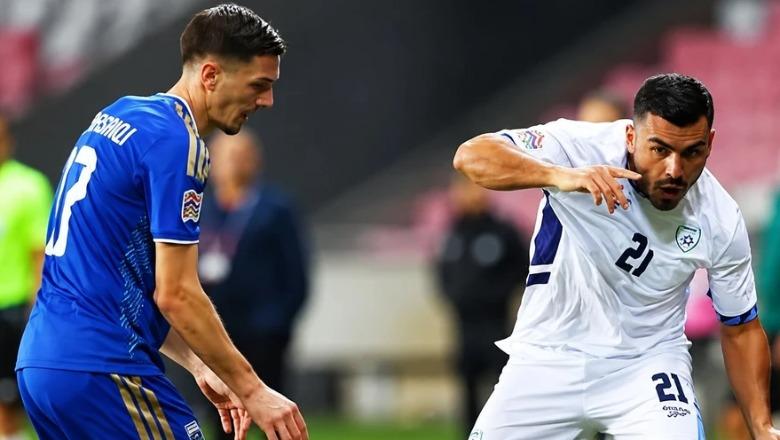
Tentativat nuk mjaftojnë, Kosova ndan pikët me Izraelin! Humbet shansin për t’iu afruar Austrisë
1 Tetor, 22:53 -
Spahiu: Videot pornografike krim i përsëritur! Alibia që e filmuan, si të mohojë pistoletën në krevat që s’është e tij
1 Tetor, 22:49 -
Putin paralajmëron Perëndimin: Rusia është gati të përdorë çdo armë për të mbrojtur Kaliningradin
1 Tetor, 22:26 -
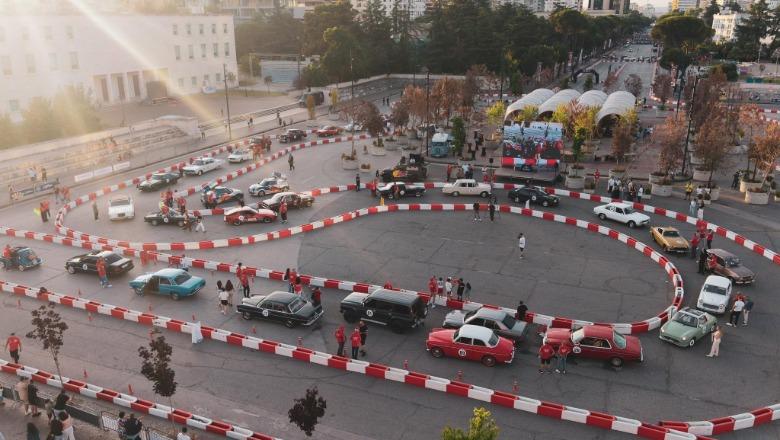
Adrenalinë dhe kthim pas në kohë, ‘Tirana Grand Prix’ bashkon të pasionuarit e automobilizmit për 3 ditë
1 Tetor, 22:23 -

Juliana Nura bëhet nënë dhe ka një mesazh për çdo grua që ka frikë: Je më e fortë seç mendon! (VIDEO)
1 Tetor, 22:12 -

Prençi në Report Tv: SPAK ka zbuluar një vilë të Ballukut në Sardenja, do dalin edhe 11 lokale dhe 4 apartamente luksoze në Tiranë
1 Tetor, 22:11 -

Zjarri në Galush dhe Gjevur të Peqinit, flakët u afrohen banesave (VIDEO)
1 Tetor, 22:07 -

Spahiu: Ne shtetet e BE nuk lejohen kamera të fshehta si në Shqipëri, në bare, restorante dhe pallate
1 Tetor, 21:44 -

Skandali me videot intime, Adrian Hila merret në pyetje nga policia e Tiranës
1 Tetor, 21:40 -

Zjarr në Gramëz të Krujës, flakët mbërrijnë deri tek aksi Thumanë-Kashar (VIDEO)
1 Tetor, 21:28 -
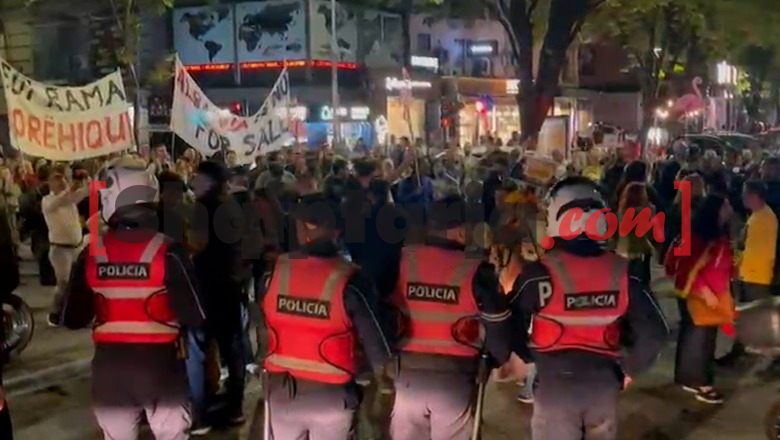
Po marshonin drejt Policisë së Tiranës, protestuesit përplasen me 'Shqiponjat' në rrugët e kryeqytetit (VIDEO)
1 Tetor, 21:16